Market Architecture & History
A comprehensive technical analysis of the TorZon hidden service, tracing its development from initial deployment to its current status as a prominent decentralized marketplace on the Tor network.
Executive Summary
TorZon Market Access represents a significant evolution in darknet market infrastructure. Established as a hidden service operating exclusively within the Tor network, it was designed to facilitate peer-to-peer exchange of digital and physical goods without centralized banking intermediaries.
Unlike earlier iterations of marketplace platforms, TorZon places a heavy emphasis on Operational Security (OpSec) for both vendors and buyers. The platform architecture minimizes data retention, enforcing strict PGP encryption standards for all communication. It functions primarily as an escrow service, holding funds in cryptocurrency until transaction finalization.
Observers note that the platform has maintained consistent uptime despite frequent network-wide DDoS attacks, utilizing a robust system of rotating onion mirrors to ensure accessibility.
Technical Architecture
Escrow & Multisig
The core of the TorZon settlement layer is a dual-stack escrow system. It supports traditional escrow (market holds funds) and 2-of-3 Multisig (buyer, vendor, market), reducing the risk of exit scams or seizure.
Monero (XMR) Integration
To combat blockchain analysis, TorZon prioritizes Monero. The architecture allows for sub-addresses per transaction, effectively decoupling the user's wallet from the marketplace ledger.
Security Protocols
- Mandatory PGP 2FA: Login requires decrypting a unique PGP challenge, preventing credential stuffing attacks.
- Anti-DDoS Shield: Custom "Endgame" style captchas are deployed at the entry nodes to filter bot traffic before it reaches the main application server.
- Walletless Mode: Users can pay directly for orders without depositing funds into a central market wallet, minimizing potential loss vectors.
Operational Timeline
Initial Beta Deployment
TorZon launches in private beta, inviting select vendors from defunct marketplaces to stress-test the escrow system.
Public Launch & Expansion
The platform opens public registration. Infrastructure is scaled to handle increased concurrency, introducing the rotating mirror system.
Security Overhaul
Response to network-wide DDoS attacks. Implementation of strict PGP requirements for all vendor accounts and introduction of XMR-only modes.
Stable Operations
Market maintains >99% uptime via distributed hosting. Continues to serve as a primary hub for decentralized digital goods exchange.
Network Metrics
Interface Analysis
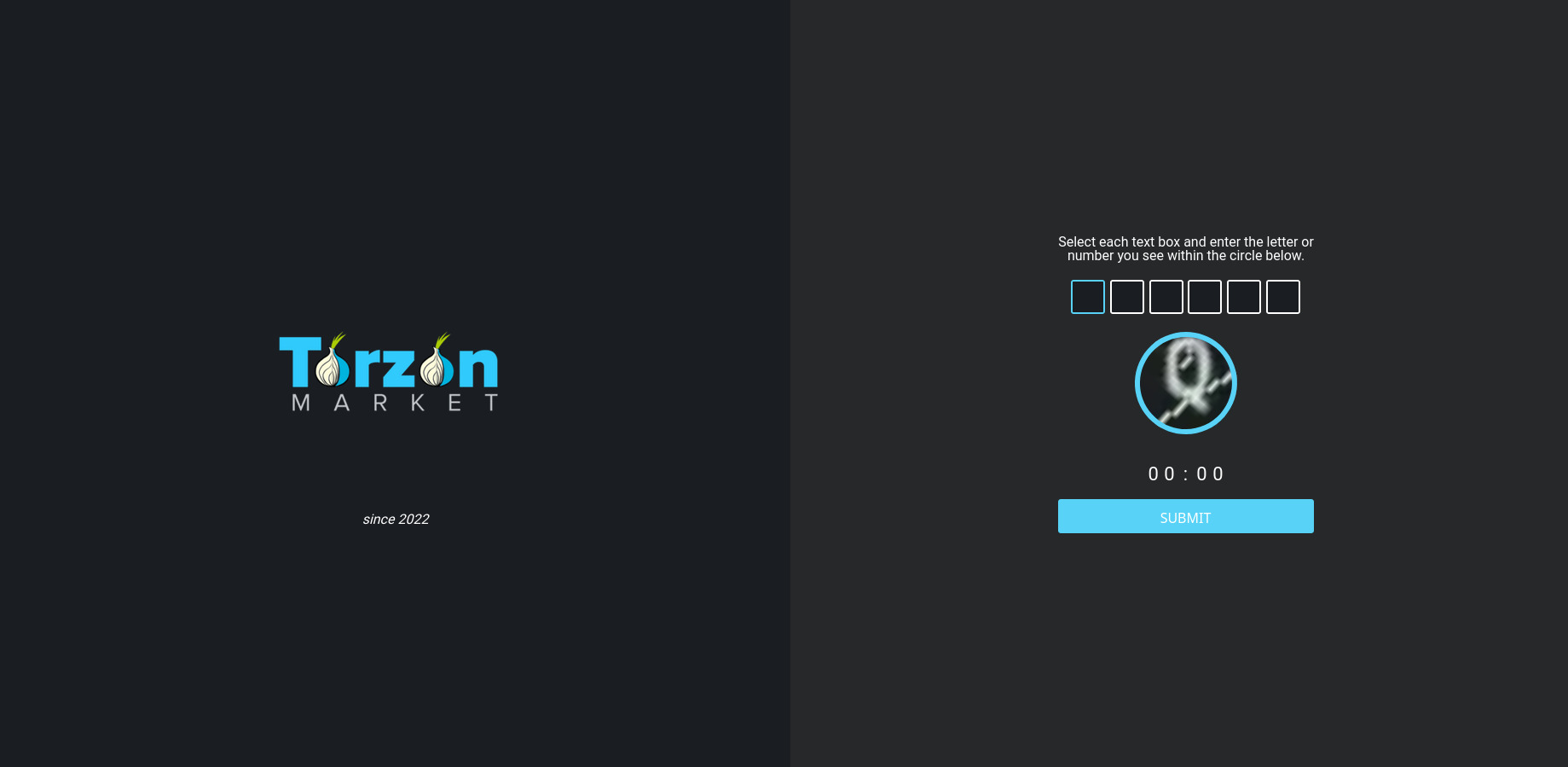
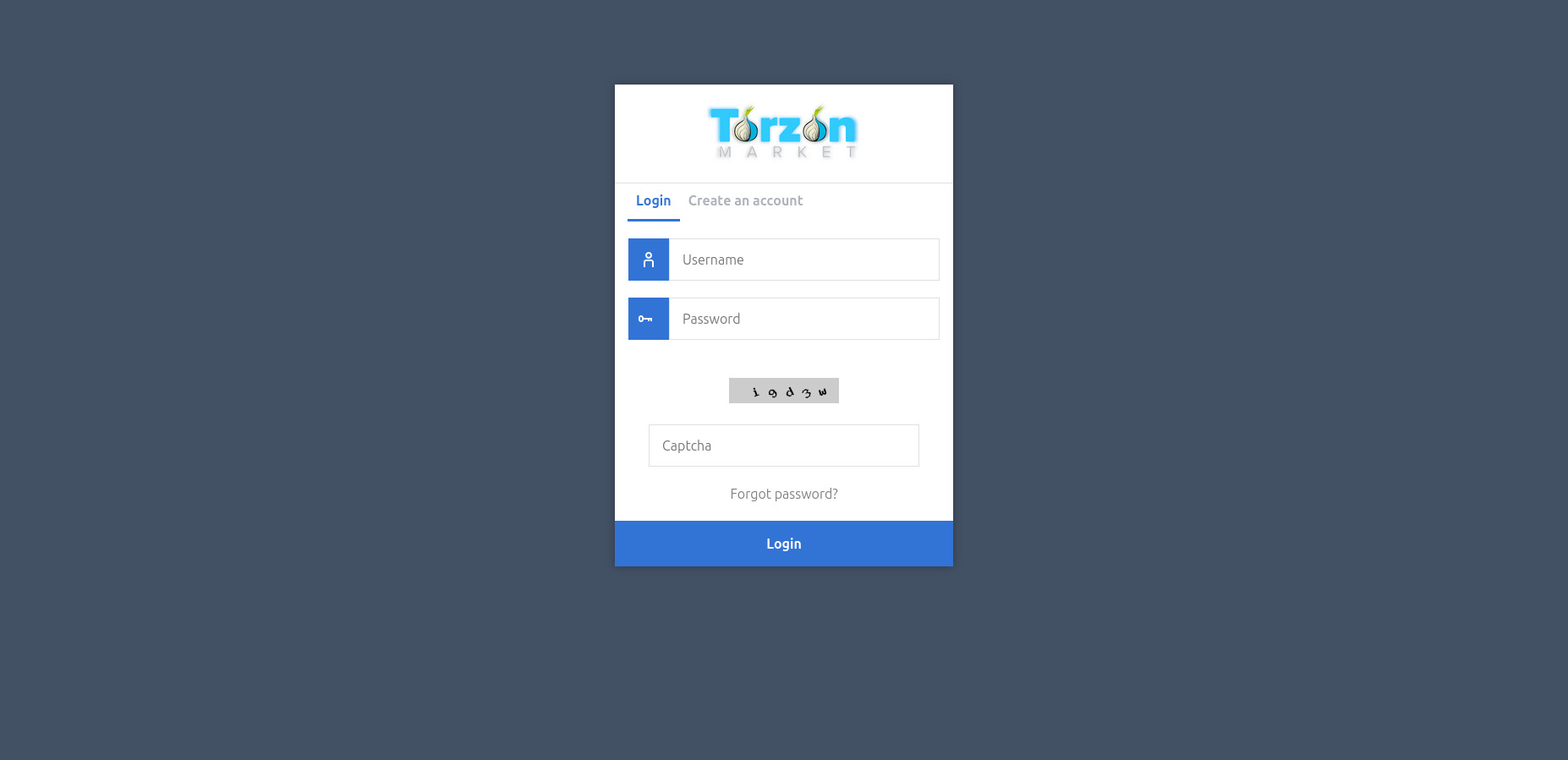
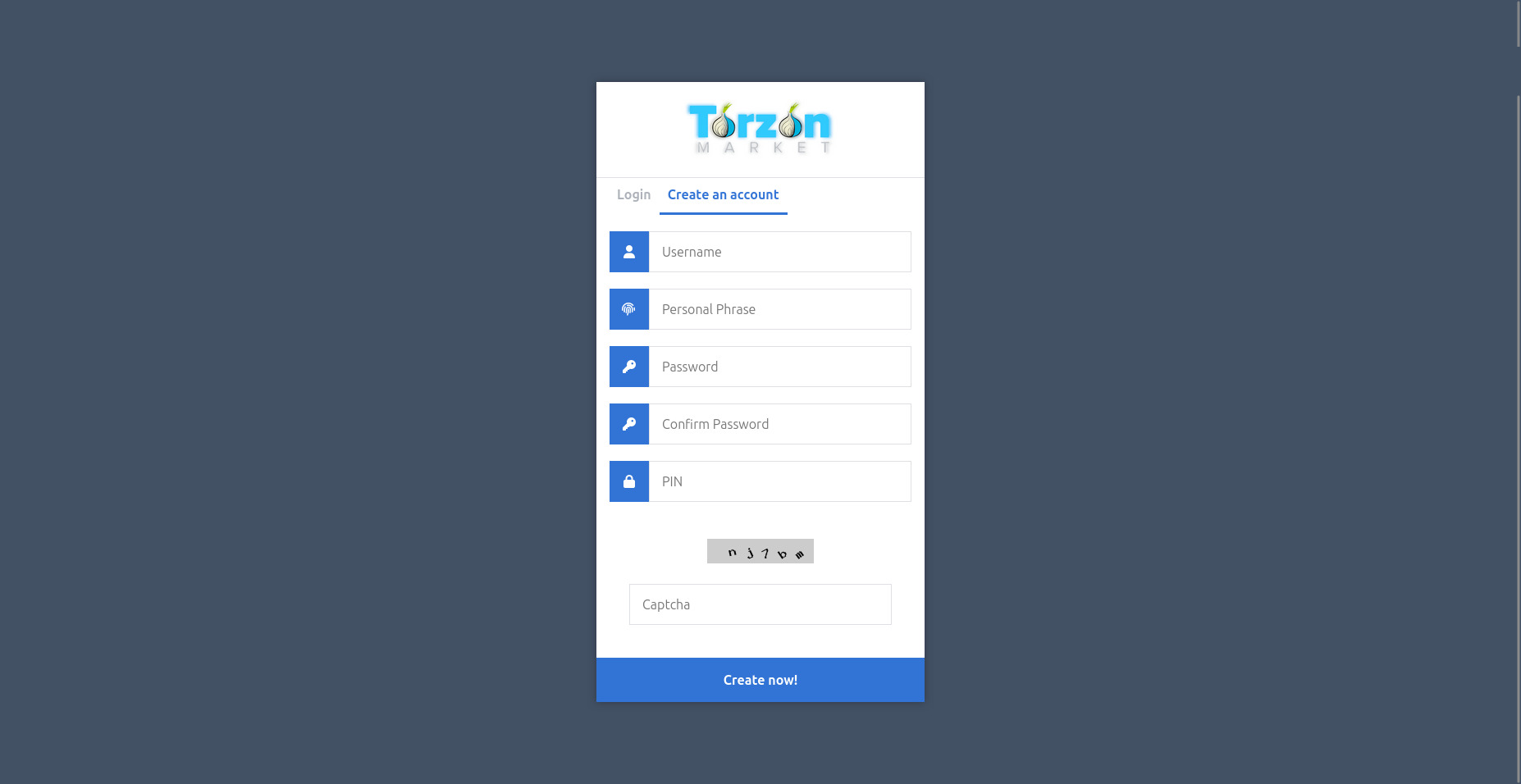
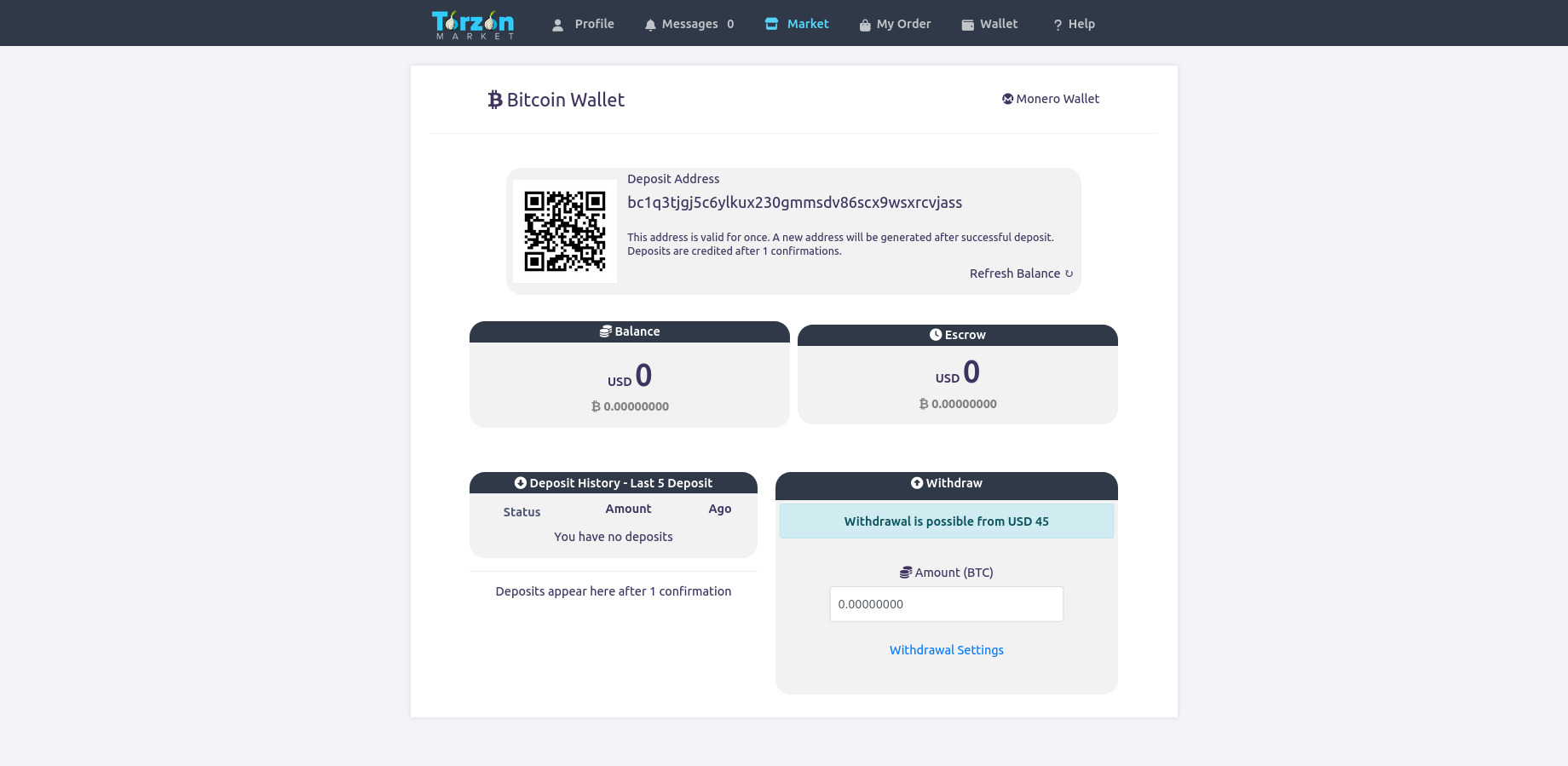
Fig 1.4: Visual evolution of the user interface (2024).